Expert Guide for Premier Roofing & Exteriors
Why Regular Roof Inspections Matter: Insights From Premier Roofing & Exteriors
Routine roof inspections are critical for homeowners seeking to maintain their property's value and safety. Premier Roofing & Exteriors underscores the importance of identifying issues before they worsen, which can avoid costly repairs. Understanding the common problems and the best practices for inspections can have a significant impact. Homeowners may wonder about the optimal schedule for roof inspections and what to expect during them. Investigating these factors can provide essential guidance for effective roof maintenance.
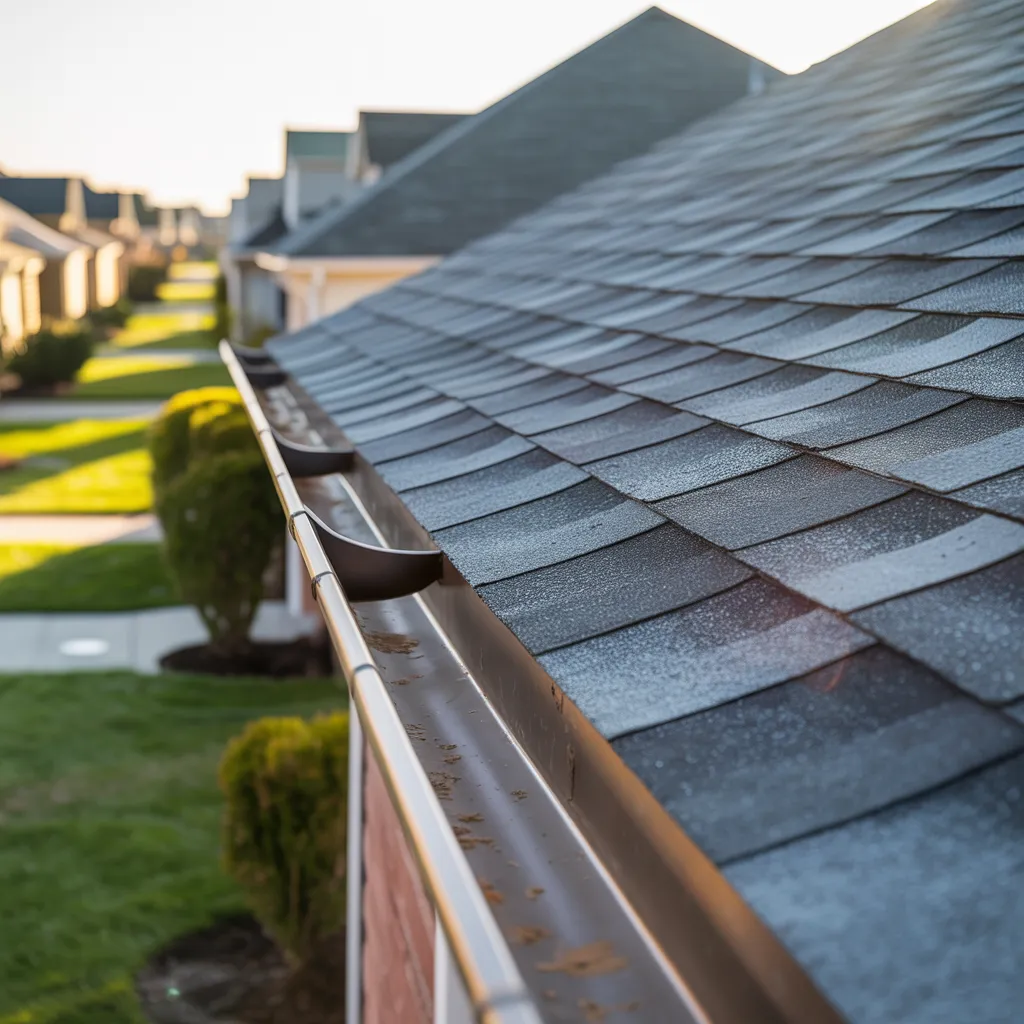
The Importance of Regular Roof Inspections for Homeowners
Although Premier Roofing & Exteriors many homeowners tend to underestimate the value of roof inspections, regular assessments are essential to maintaining a home's integrity. Scheduled inspections facilitate the prompt discovery of emerging concerns, minimizing the risk of significant financial burdens from future repairs. Climate conditions, natural aging, and surrounding environmental influences can slowly deteriorate a roof, making scheduled assessments vital for extending its lifespan. Property owners gain an advantage by catching small issues before they develop into major concerns, confirming the roof continues to perform effectively and safely.
In addition, regular inspections can enhance energy efficiency, as a properly maintained roof stops air leaks and preserves temperature control. This can bring about significant savings on energy expenses. Additionally, several insurance policies call for documentation of maintenance, making inspections critical for claim submissions. At the end of the day, organizing periodic roof assessments instills peace of mind, with confidence that the home is defended against the elements and unforeseen hazards. Making roof inspections a priority represents an investment in the property's overall safety and value.
Detecting Common Roof Concerns
Scheduled roof inspections serve a critical role in spotting typical problems that homeowners might face. Over time, roofs can develop problems such as lost shingles, which leave the underlying materials exposed to moisture and potential leaks. In addition, cracked or curled shingles may indicate weather-related or age-related damage, requiring immediate attention.
Another frequent problem involves the buildup of leaves and debris in gutters, which can result in water backup and deterioration of both the roof structure and the home's foundation. Homeowners should also watch for evidence of sagging or uneven sections, as these may point to structural concerns.
Additionally, the presence of moss or algae can accumulate moisture, causing further deterioration if not addressed. By identifying these frequent roof defects early, homeowners can mitigate potential harm, ensuring the durability and stability of their roof structures. Routine inspections allow homeowners to identify these concerns before they become major repairs.
Recommended Frequency for Roof Inspections?
At what intervals should homeowners carry out roof inspections? Specialists advise homeowners to inspect their roofs at least two times per year, with the best times being spring and fall. Shifting seasons can compromise the structural integrity of a roof, making periodic inspections critically important. Additionally, homeowners should schedule inspections after significant weather events, including intense storms or hailstorms, that may lead to underlying or unseen damage.
Failing to conduct roof inspections often results in significant repair costs, as small issues tend to escalate over time. In regions susceptible to intense weather events, additional inspections may be warranted. Recently installed roofs could necessitate less frequent assessments initially, but periodic assessments continue to be vital, specifically as the roof ages.
What Happens During a Roof Inspection?
When conducting a roof inspection, a skilled technician carefully evaluates the condition of the roof, checking for potential issues and signs of wear. The technician starts by assessing the roof's exterior for missing or damaged shingles, splits, and other forms of deterioration. They also inspect downspouts, gutters, and flashings to ensure adequate functionality and drainage.
Additionally, the professional inspector evaluates the structural soundness of the roof, looking for sagging areas or uneven surfaces that may indicate underlying issues. They will often check the attic for evidence of leaks or moisture, which can lead to the growth of mold and subsequent damage.
Additionally, the examination encompasses assessing the status of ventilation components, confirming they are operating correctly to eliminate moisture buildup and overheating. To conclude, the technician documents their discoveries, offering the client with a comprehensive summary that describes the overall condition of the roof and any advice for maintenance or repairs.
How to Address Common Roof Problems
Addressing common roof problems requires an active maintenance plan to secure the lifespan and integrity of the structure. Homeowners should regularly inspect their roofs for clear evidence of deterioration, such as missing shingles, curling edges, or discoloration. If moisture problems are discovered, prompt attention is required; filling openings with suitable sealants can prevent further water damage.
For clogged gutters, regular cleaning is essential, as the buildup of debris can result in water pooling and greater roof deterioration. Furthermore, inspecting for moss or algae development is vital, as such growth can hold moisture and result in structural decay.
For instances involving substantial damage, such as serious rot or structural concerns, seeking the advice of a professional roofing contractor is recommended. Early intervention not only reduces repair expenses but also increases the roof's longevity. In summary, remaining vigilant and promptly addressing these issues is essential for maintaining roof integrity.
The Long-Term Benefits of Maintaining Your Roof's Integrity
Preserving a roof's condition provides considerable long-term benefits that homeowners ought to keep in mind. Routine maintenance can help avoid expensive repairs, making certain that small problems do not worsen over time. Moreover, a thoroughly maintained roof can increase its longevity and boost overall energy efficiency, resulting in decreased energy expenses.
Stop Costly Repairs
Regular roof inspections can considerably reduce the risk of expensive repairs in the future. By identifying minor issues early, homeowners can address problems before they escalate into substantial damage. A small leak, for instance, can cause extensive water damage and mold growth if left unchecked. Regular checks allow for timely upkeep, which considerably reduces repair costs. Additionally, evaluations can reveal concealed weaknesses, such as compromised shingles or deteriorating flashing, ensuring that these issues are addressed promptly. Investing in routine roof evaluations not only safeguards a home's integrity but also enhances its overall value. Consequently, prioritizing roof inspections is a smart financial choice that shields against unexpected expenditures and maintains the property's condition in the long run.
Prolong Roof Lifespan
Though numerous homeowners fail to recognize the value of roof maintenance, overlooking this essential element can significantly reduce a roof's longevity. Consistent evaluations and maintenance enable the detection of minor concerns before they develop into major ones, safeguarding the roof's overall stability. With time, weather conditions including UV exposure, precipitation, and snow accumulation can result in progressive damage. Resolving issues like displaced shingles, corrosion, or accumulated debris can avert serious damage requiring expensive repairs or full replacements. With a commitment to consistent checkups, homeowners can secure the continued performance and reliability of their roofing system. This forward-thinking strategy not only prolongs the roof's lifespan but also increases the property's overall worth, making it a sound investment for homeowners.
Improve Energy Efficiency
A well-maintained roof can greatly enhance a home's overall energy efficiency, leading to considerable cost savings over time. Routine inspections help identify issues such as damaged shingles or insufficient insulation, which can result in energy inefficiency. By addressing these problems promptly, homeowners can stop heat loss during winter months and minimize air conditioning costs in the warmer months. Additionally, a roof in good condition deflects sunlight effectively, minimizing the need for excessive air conditioning. High-performance roofing materials, commonly advised following inspections, can further optimize performance. Ultimately, maintaining the integrity of the roof not only contributes to lower utility bills but also supports a greener and more sustainable home. This preventative method guarantees that energy efficiency remains a long-term benefit for homeowners.
Frequently Asked Questions
What Is the Typical Cost of Roof Inspections?
Roof inspection costs generally range between $100 and $500, based on factors including the home's size, location, and the inspector's experience. Some companies may offer free inspections as part of promotional services.
Can I Perform a Roof Inspection Myself?
Yes, an individual can perform a roof inspection independently. However, they should be cautious and familiar with safety protocols, as well as associated dangers. It is recommended to seek professional assessments for comprehensive inspections and to detect hidden issues.
What Qualifications Should a Roofing Inspector Have?
A certified roofing inspector should possess proper certifications, significant hands-on experience in roofing, thorough understanding of building regulations, and comprehensive safety preparation. In addition, effective communication skills are necessary for accurately delivering findings and recommendations to property owners.
Does Homeowners Insurance Cover Roof Inspections?
Standard homeowners insurance policies typically exclude roof inspections, as they are regarded as routine upkeep rather than an insurable event. Insurance policy terms vary, so it's advisable for homeowners to review their insurance terms for clarity.
How Do I Find a Reliable Roofing Inspector?
To find a reputable roof inspection professional, one can seek recommendations from friends or family, browse online feedback, and verify credentials through regional licensing authorities or industry organizations to secure consistent quality and dependability in the services provided.